
Chef training
Thai and Pan-Asian Culinary Training: Why Chefs Should Learn More Than One Cuisine
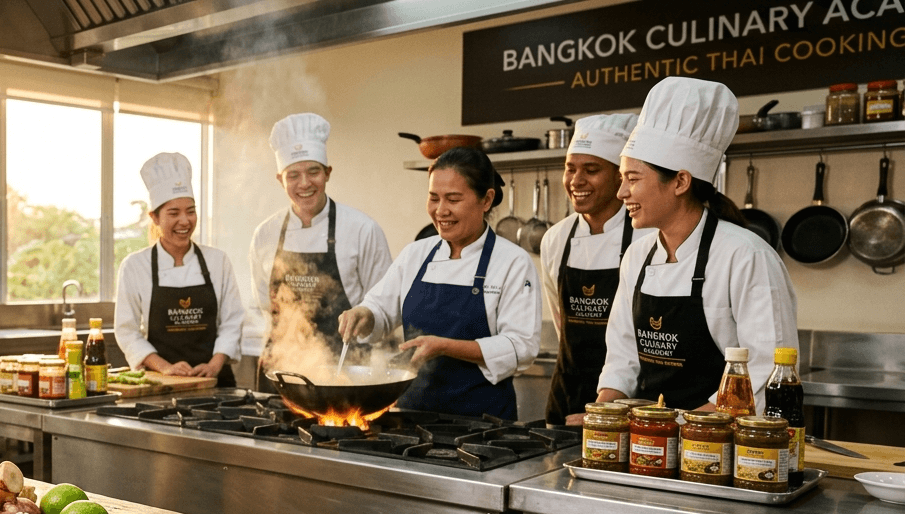
Oct
Walk into any modern professional kitchen — a boutique hotel restaurant in Bangkok, a fusion bistro in London, or a hip street-food-inspired concept in New York — and you’ll notice something: the menus rarely stay within the borders of a single country. Diners today want Korean-style fried chicken next to Thai green curry, Vietnamese pho alongside Japanese ramen, and Chinese dim sum sharing a menu with Thai stir-fries. For chefs, this shift isn’t a passing trend. It’s a career signal.
Pan Asian culinary training — learning to cook across Thai, Chinese, Japanese, Korean, and Vietnamese traditions — has become one of the smartest investments a chef can make. It’s no longer enough to master one national cuisine and hope it carries a career forward. Multi cuisine chef training builds versatility, sharpens technical range, and opens doors to jobs and business opportunities that single-cuisine specialists simply can’t access. In this article, we’ll explore why chefs, whether just starting out or already experienced, benefit enormously from broadening their culinary education, and how a structured Pan-Asian program in a food capital like Bangkok can be the ideal place to do it.
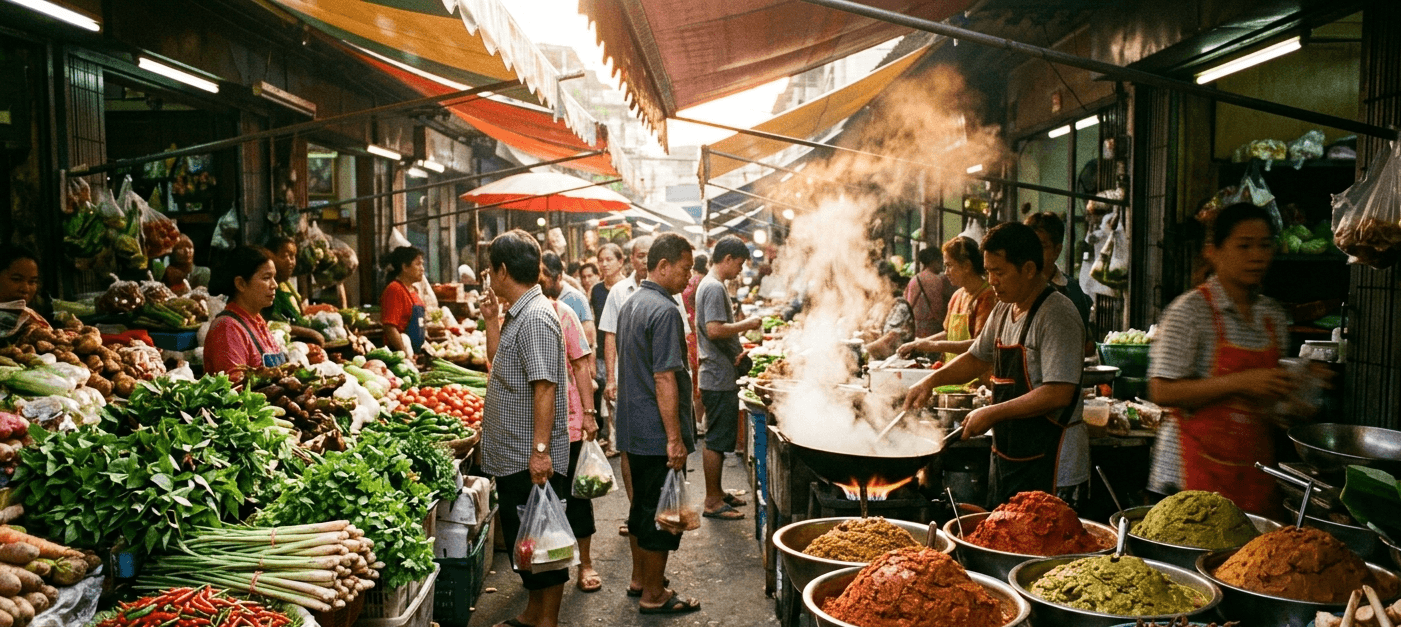
Why Restaurants Are Going Pan-Asian?
The rise of pan-Asian dining isn’t just a marketing gimmick — it reflects real changes in how people eat. Urban diners increasingly want variety within a single outing, hotel groups want flexible kitchens that can serve international guests without hiring five separate specialist teams, and food delivery platforms reward restaurants that can offer broad, shareable menus. A chef who can only execute one cuisine limits what a kitchen can offer, while a chef fluent in several Asian culinary traditions becomes indispensable to that same kitchen.
✅ Quick Insight: Thailand as the Ideal Training Ground
Thailand sits at a natural crossroads of Asian food culture. Its cuisine already blends Chinese stir-frying techniques, Indian-influenced curry pastes, and Malay-inspired southern dishes, layered with distinctly Thai balances of sweet, sour, salty, and spicy. Training in Bangkok means learning not just Thai cooking, but absorbing a broader Asian culinary sensibility from the very start — an advantage few other cities can offer.
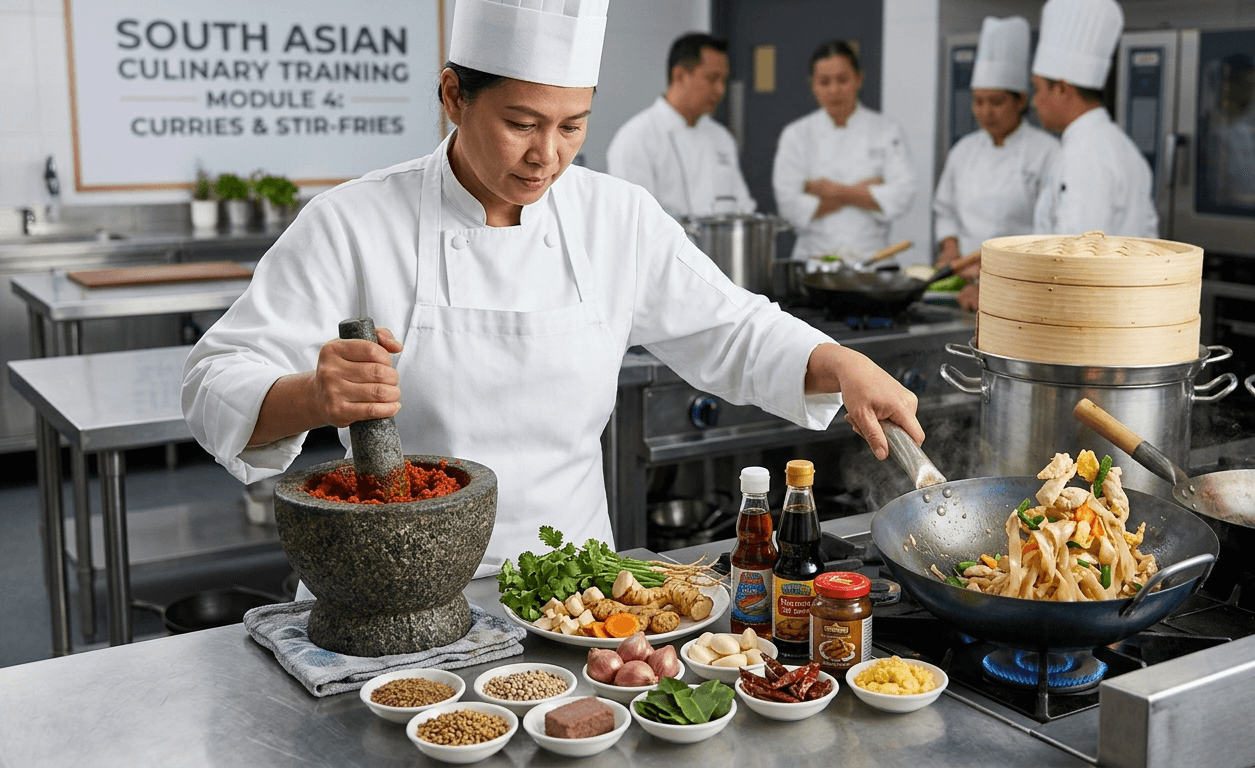
Career Versatility: More Doors, More Options
A chef trained in only one cuisine is, by definition, limited to kitchens that serve that cuisine. Multi cuisine chef training changes that equation entirely. Chefs who can move fluidly between Thai curries, Japanese knife work, Chinese wok technique, Korean fermentation, and Vietnamese broths become attractive hires for:
- Hotel restaurant groups running multiple concept kitchens
- Cruise ships and resorts serving international guests
- Fusion and contemporary Asian restaurants
- Private catering and personal chef work for diverse clientele
- Entrepreneurial ventures — food trucks, pop-ups, and independent restaurants with flexible menus
This versatility also provides a buffer against an unpredictable industry. If demand for one style of cuisine softens in a particular market, a chef with broader training can pivot rather than being boxed out entirely.
Broader Employability in a Global Job Market
Employers increasingly favor candidates whose training reflects real breadth. A resume that lists only “Thai cuisine” reads narrowly next to one that shows structured, hands-on experience across five Asian culinary traditions — especially when that training comes with an internationally recognized credential. This is precisely why chef training programs that combine Thai cooking with Pan-Asian modules, and that carry accreditation from a body like Worldchefs (the World Association of Chefs’ Societies), carry real weight with hiring managers. It signals not just enthusiasm, but standardized, benchmarked skill.
Fusion Menu Skills: Where Innovation Lives
Perhaps the most exciting reason to pursue multi cuisine training is creative. Fusion cooking — done well, not as a gimmick — requires genuine fluency in more than one tradition. A chef who deeply understands Thai curry paste construction and Japanese dashi-based umami can build dishes that borrow intelligently from both, rather than clumsily forcing ingredients together. This is the difference between trend-chasing and true culinary innovation.
✅Quick Tip: Start With Technique, Not Just Recipes
The chefs who fuse cuisines successfully aren’t memorizing recipes from multiple countries — they understand underlying techniques: how Thai chefs balance flavor in a single dish, how Chinese kitchens use wok hei, how Japanese cooks emphasize precision and restraint. Structured training that teaches technique alongside recipes builds the foundation needed for genuine culinary creativity.
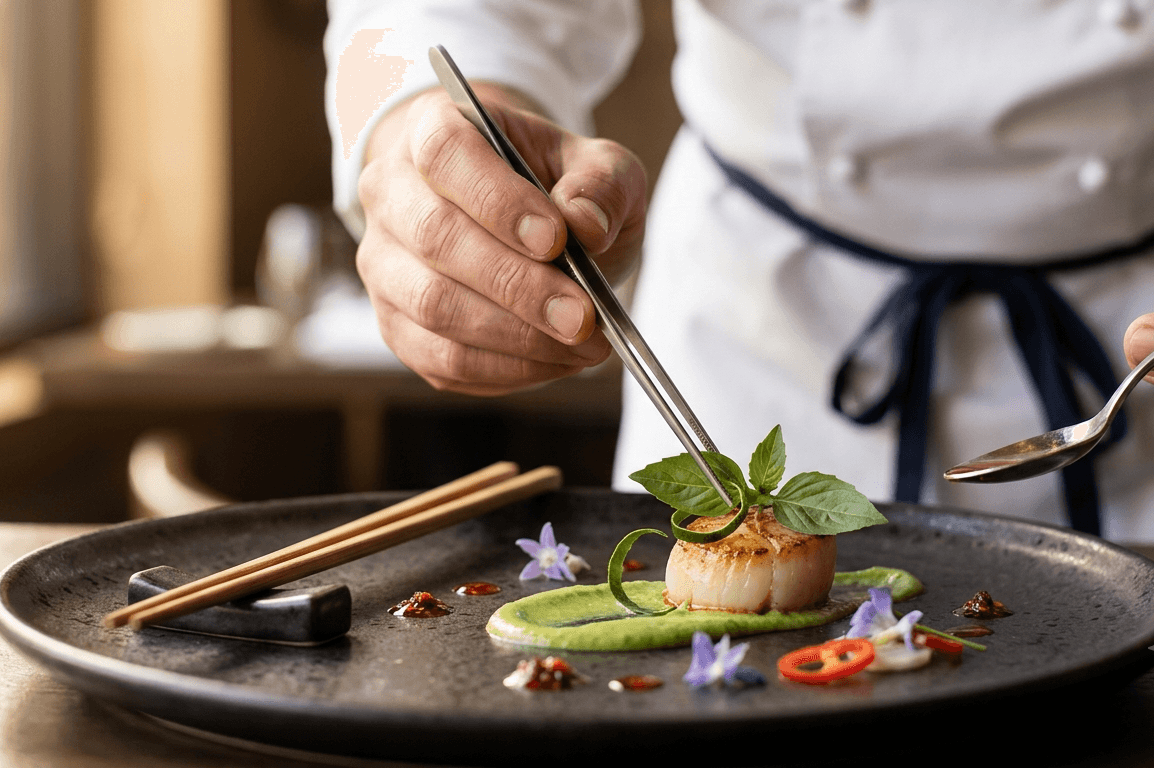
What Structured Pan-Asian Training Looks Like?
Rather than piecing together knowledge from scattered sources, many chefs now choose immersive, in-person training that moves progressively through cuisines. A well-designed program typically covers:
- Foundational Thai cooking — curry pastes, stir-fries, soups, and salads
- Chinese techniques — wok cooking, dim sum, sauces
- Japanese fundamentals — knife skills, rice preparation, sushi basics
- Korean cooking — fermentation, banchan, grilling
- Vietnamese cuisine — broths, fresh herbs, rice paper techniques
Programs structured this way, taught hands-on and in English by experienced chef instructors, allow both complete beginners and working professionals to build credentials over a matter of weeks rather than years of scattered self-study.
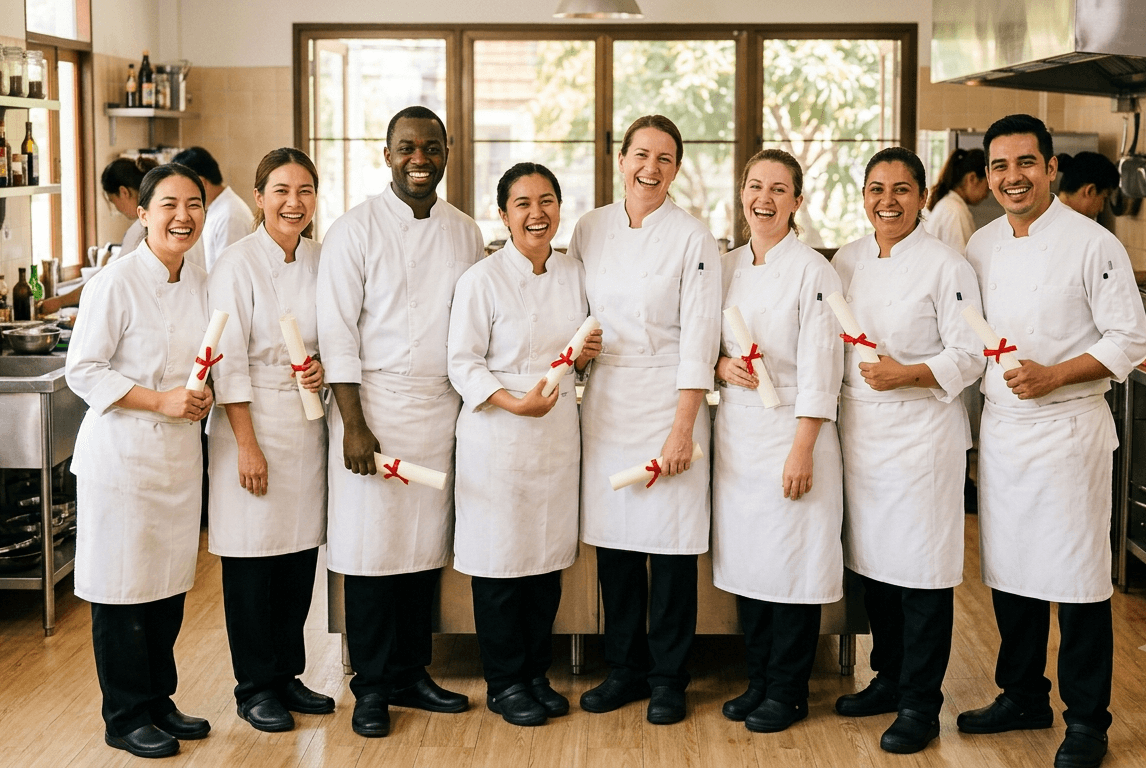
The kitchens of the future belong to chefs who can move confidently across cuisines — building fusion menus, filling diverse roles, and standing out in a competitive global job market. Thailand, with its naturally hybrid culinary heritage, is one of the best places in the world to build that versatility.
If you’re ready to invest in your culinary career, explore the Professional Chef Courses at Bangkok Thai Cooking Academy, where Worldchefs-approved Thai and Pan-Asian training programs — ranging from one to ten weeks — combine hands-on instruction with an internationally recognized chef diploma. Whether you’re an aspiring chef, a working professional looking to expand your repertoire, or an entrepreneur planning your first restaurant, broadening your culinary skillset in Bangkok could be the next step that transforms your career.
